Key Insights:
- Analyst firm Jefferies reaffirmed a “Buy” rating for D-Wave Quantum, citing strong demand for its quantum computing technology.
- Despite missing revenue expectations with nearly $2.9 million in Q1, D-Wave Quantum reported a smaller net loss of 5 cents per share than analysts predicted.
- The company achieved record bookings, surging by 1,994% year-over-year, indicating robust future business and a growing pipeline of $42.4 million in remaining performance obligations.
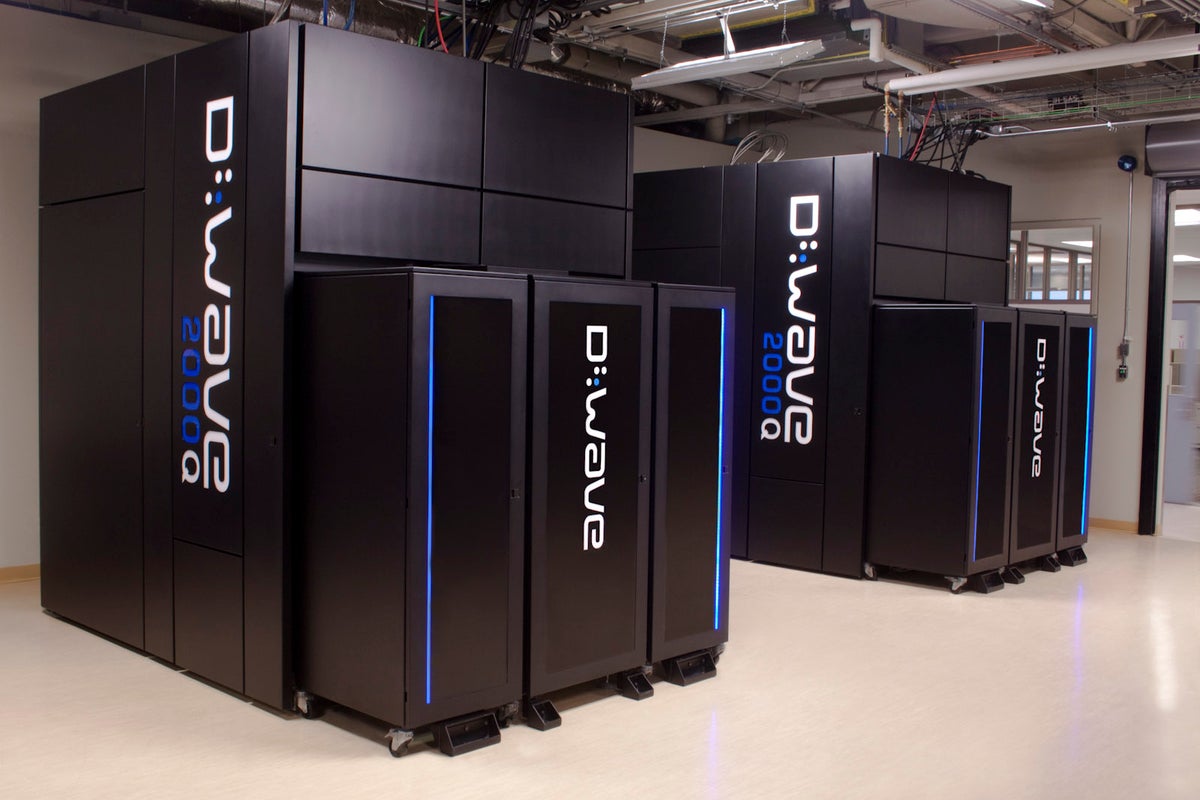
D-Wave Quantum (NYSE: QBTS) is a company that develops and sells quantum computing systems, software, and services. It is one of the few companies in the industry working on both quantum annealing and gate-based quantum computers. This dual approach allows it to address a wider range of complex computational problems for its clients.
On May 12, 2026, the analyst firm Jefferies confirmed its “Buy” rating for D-Wave Quantum. The stock price was $22.34 at that time. The rating was linked to a news report from TheFly, which stated, “Demand for D-Wave Quantum technology is clear, says Jefferies.” This suggests a positive long-term view of the company’s potential.
The company’s first-quarter earnings report showed mixed results. Revenue was nearly $2.9 million, which missed Wall Street’s expectation of $5.01 million and was down 80.9% from the year before. However, the company’s net loss of nearly $18.5 million, or 5 cents per share, was smaller than the 8-cent loss analysts had predicted.
Despite the lower-than-expected revenue, D-Wave Quantum reported record bookings. Bookings are contracts for future business. These surged by 1,994% compared to the same period last year. This growth was driven by major deals with businesses and universities, supporting the idea of strong underlying demand for its technology.
D-Wave Quantum CEO Alan Baratz had previously told investors to expect “lumpy” revenue as the company grows. This means revenue may be irregular from quarter to quarter. The company’s remaining performance obligations, which represent future revenue under contract, also grew to $42.4 million, indicating a solid pipeline of future work.