- Analysts project Novartis (NYSE: NVS) to report Q2 earnings per share (EPS) of $2.17 and revenue of $14.07 billion, following a challenging Q1 impacted by patent expirations.
- Despite a first-quarter decline, Novartis demonstrated strong cash generation, reporting a stable free cash flow of $3.30 billion.
- Investors are closely monitoring upcoming drug trial results and key financial metrics such as the Price-to-Earnings (P/E) ratio of 21.30, Debt-to-Equity ratio of 1.22, and Current Ratio of 0.85 to assess the company’s future valuation.
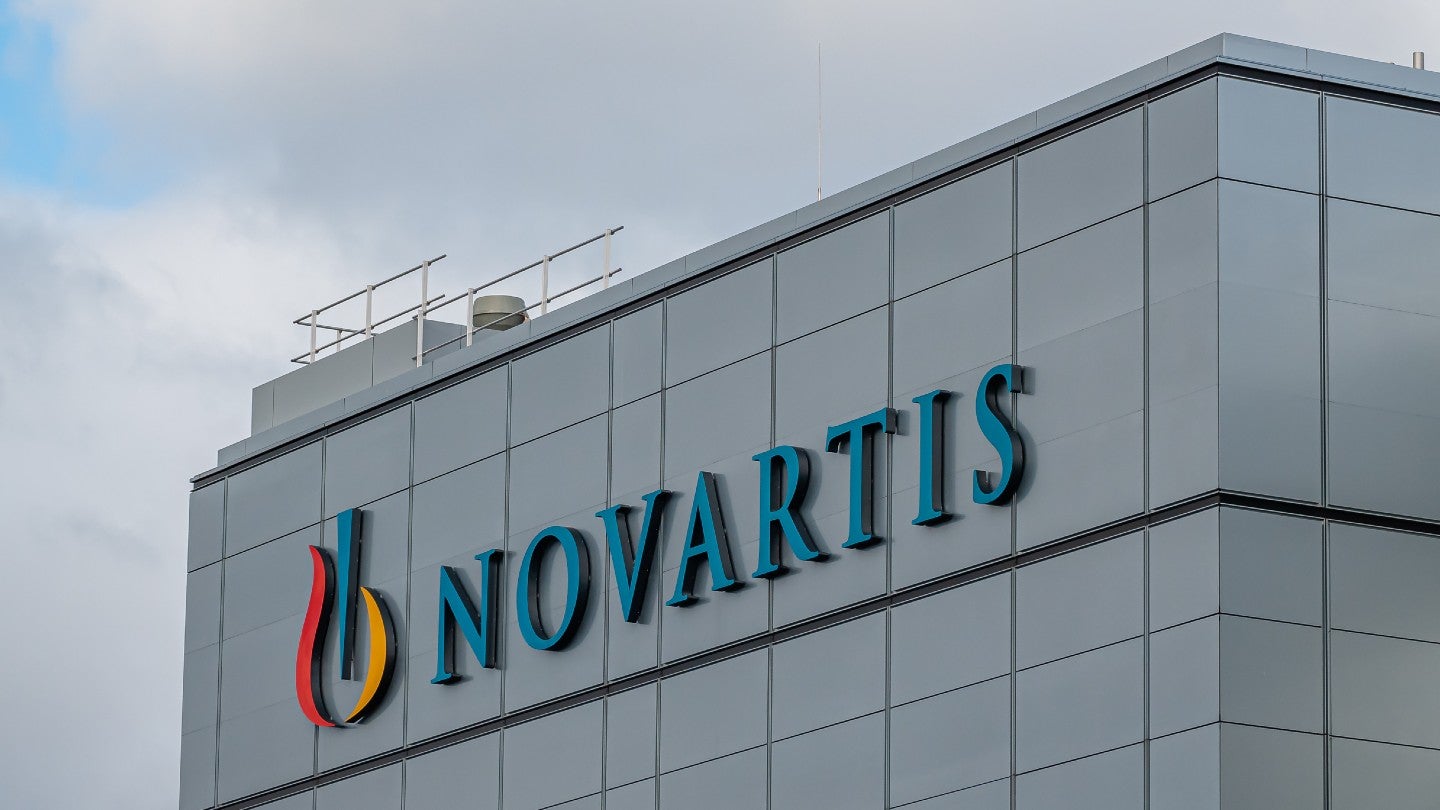
Novartis (NYSE: NVS) is a global Swiss pharmaceutical company that researches, develops, and sells a wide range of medicines. As Novartis prepares to release its quarterly earnings on July 21, 2026, analysts project an earnings per share (EPS) of $2.17. EPS shows how much profit the company makes for each share of its stock.
Wall Street also expects revenue for the quarter to be around $14.07 billion. This comes after a challenging first quarter where Novartis faced what its CEO called “the biggest loss of exclusivity in Novartis’ history.” This means key drugs lost patent protection, allowing cheaper generic versions to enter the market, which caused Q1 revenue to fall to $13.10 billion.
Despite the first-quarter decline, Novartis generated a stable free cash flow of $3.30 billion, showing strong cash generation. For the upcoming report, other analysts predict a slightly different outcome, with an EPS of $2.20 and revenue of $13.96 billion. As highlighted by Zacks Equity Research, these estimates have not been revised in 30 days.
However, as highlighted by Reuters, many investors are focused beyond the quarterly results. They are watching for results from three major drug trials expected later in the year. These trials are considered key to justifying the company’s premium valuation, which is reflected in its Price-to-Earnings (P/E) ratio of 21.30.
The company’s financial health includes a Debt-to-Equity ratio of 1.22, which compares its total debt to the value owned by shareholders. Its current ratio is 0.85, a measure of its ability to pay short-term obligations. These metrics provide a snapshot of the company’s financial position ahead of its earnings announcement.