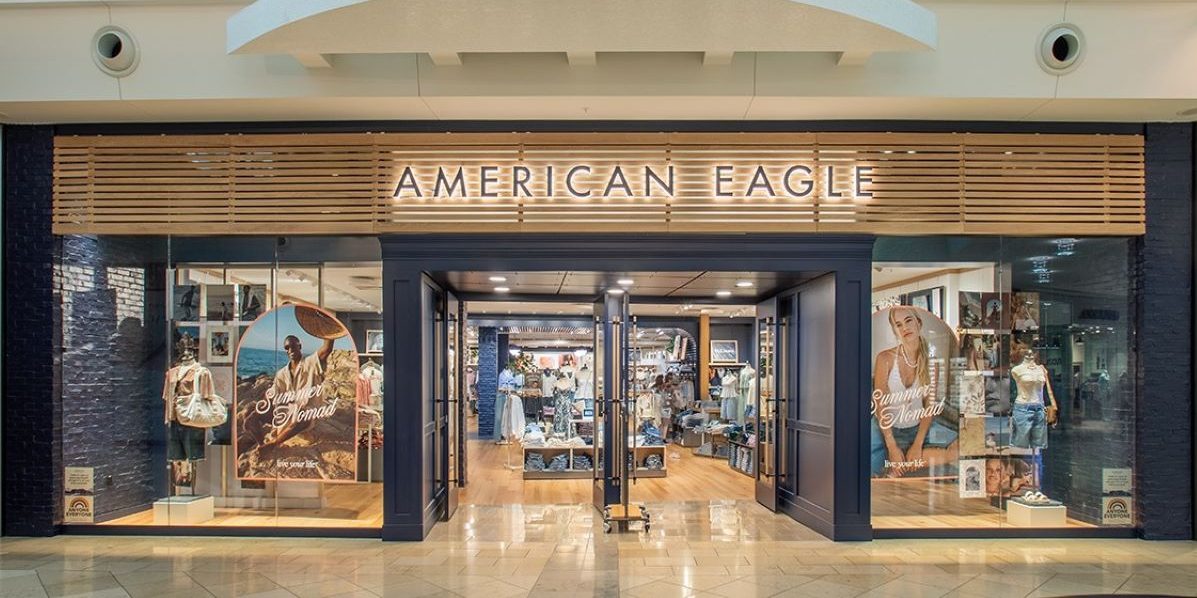
- American Eagle Outfitters reported strong second-quarter results, with earnings per share of $0.79 significantly surpassing estimates of $0.22, and revenue reaching $1.38 billion.
- The company’s Aerie and OFFLINE brands were key growth drivers, achieving a combined 25% revenue increase and contributing to a 6% rise in total comparable sales.
- Key financial metrics include a trailing Price-to-Earnings (P/E) ratio of 10.25, a Price-to-Sales ratio of 0.51, and a healthy current ratio of 1.55.
American Eagle Outfitters, Inc. (NYSE: AEO) is a global specialty retailer that provides clothing, accessories, and personal care products. The company operates primarily under its American Eagle and Aerie brands. Aerie has seen significant momentum and includes the OFFLINE brand, which focuses on activewear. American Eagle Outfitters focuses on expanding Aerie’s reach while improving its American Eagle brand.
On September 9, 2026, the company reported strong second-quarter results. Its earnings per share (EPS) is $0.79, which greatly surpasses the consensus analyst estimate of $0.22. EPS is a company’s profit divided by its number of common shares, showing how profitable it is on a per-share basis.
American Eagle Outfitters’ quarterly revenue is $1.38 billion, which also beats the estimated $1.37 billion. A key factor in its strong profitability is a $196 million tariff refund. This refund contributes $161 million to the company’s net operating income, which is the profit generated from its core business operations.
The revenue growth is fueled by strong demand for its products. As highlighted by Reuters, Aerie intimates and apparel performed very well. The Aerie and OFFLINE brands show a combined 25% revenue growth. The company’s total comparable sales, which track sales in stores open for at least a year, increase by 6%.
Current data shows American Eagle Outfitters has a trailing Price-to-Earnings (P/E) ratio of 10.25 and a Price-to-Sales ratio of 0.51. The company’s debt-to-equity ratio is 1.14. Its current ratio, a measure of its ability to pay short-term obligations, stands at 1.55, while consolidated inventory at cost is up by 14%.