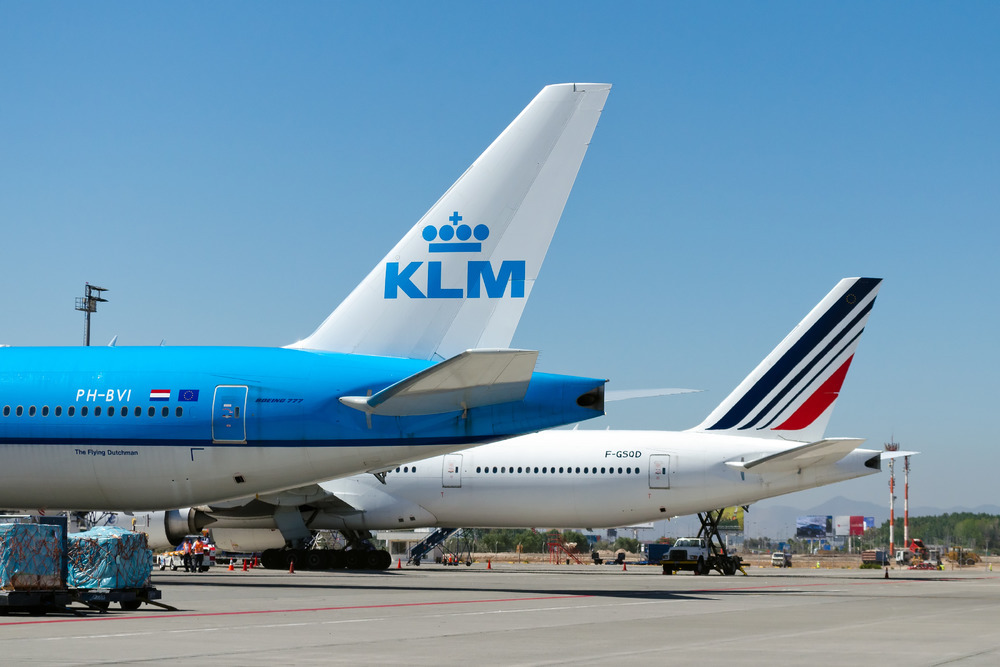
- Strategic Expansion: Air France-KLM (OTC:AFLYY) is pursuing growth through a binding offer to acquire a significant stake in TAP Air Portugal, aiming to strengthen its market position in the competitive airline industry.
- Robust Q2 Financials: The European airline group reported strong Q2 2026 results, including a 9.9% year-on-year revenue increase to €9.30 billion and an adjusted operating profit of €484.00 million, despite significant fuel cost pressures.
- Positive Analyst Outlook: RBC Capital maintained a “Sector Perform” rating on Air France-KLM and raised its price target to EUR 12.00 from EUR 10.00, reflecting confidence in the company’s financial performance and stable debt management.
Air France-KLM (OTC:AFLYY) is a major European airline group operating in passenger transport, cargo services, and aircraft maintenance. The company is actively seeking expansion, having recently submitted a binding offer to acquire a 44.9% stake in TAP Air Portugal. This strategic move aims to strengthen its market position and enhance connectivity within the global aviation sector.
On August 5, 2026, RBC Capital maintained its “Sector Perform” rating on Air France-KLM. This type of rating is a hold action, meaning the firm expects the stock to perform in line with the average of its industry peers. At the time of the rating, the stock’s price was 1.42.
Alongside the rating, RBC Capital raised its price target on the company to EUR 12.00 from EUR 10.00. This increased target reflects confidence, supported by the airline’s recent performance. In its second quarter of 2026, Air France-KLM reported that group revenues increased by 9.9% year-on-year to €9.30 billion.
This revenue growth occurred despite significant fuel cost pressures amounting to an €804.00 million impact. The company successfully managed these costs by achieving a fuel recapture rate of approximately 85%. This helped Air France-KLM secure an adjusted operating profit of €484.00 million for the quarter and maintain a solid cash position of €10.30 billion.
Despite the strong results, the company has cut its full-year capacity guidance, as highlighted by Reuters, showing a cautious approach for the remainder of the year. The company’s leverage ratio, a key measure of its debt compared to its earnings, stands at a healthy 1.6x, indicating a stable financial structure and effective debt management.