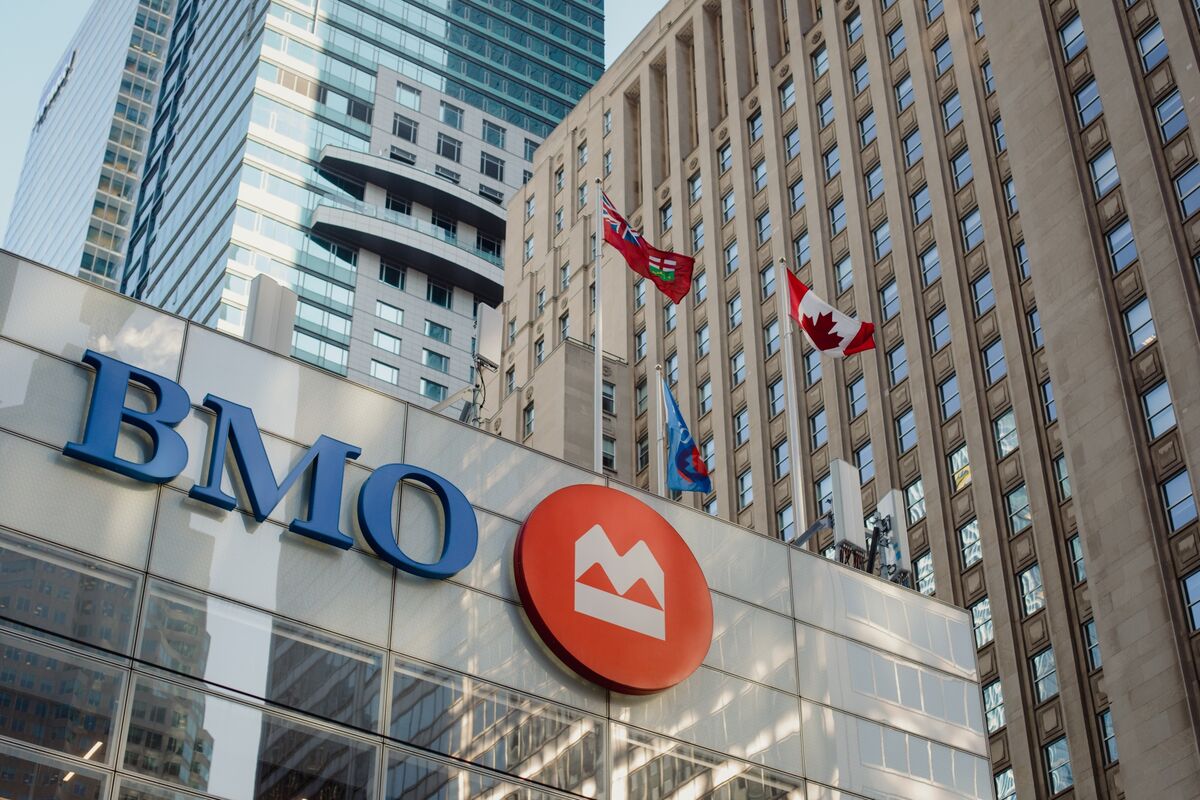
- Bank of Montreal (NYSE: BMO) reported strong third-quarter financial performance, surpassing profit estimates with adjusted earnings per share of $2.86.
- Analyst firm Scotiabank maintained an “Outperform” rating and raised its price target for BMO to C$270, signaling a positive investment outlook.
- The bank demonstrated improved profitability with a 9.26% year-over-year revenue increase and an adjusted Return on Equity (ROE) of 14%, alongside a strategic share buyback plan.
Bank of Montreal is a major Canadian financial institution with significant operations in the United States. As one of Canada’s largest banks, it provides a wide range of services, including personal and commercial banking, wealth management, and capital markets. BMO competes with other large Canadian banks like Bank of Nova Scotia (NYSE: BNS).
On August 26, 2026, the analyst firm Scotiabank maintained its “Outperform” rating for BMO. This rating suggests that Scotiabank expects the stock to perform better than the overall market. The firm also raised its price target for BMO to C$270 from C$268, indicating increased confidence in the company’s future value.
This positive outlook follows a strong third-quarter performance where BMO surpassed profit estimates, as highlighted by PYMNTS. The bank reported adjusted earnings per share of $2.86, which was higher than the expected $2.71. This represents a 21.7% increase from the $2.35 reported in the same quarter of the previous year.
The strong earnings were driven by a 9.26% year-over-year increase in revenue, which grew to $7.15 billion. Analysts at Jefferies noted that the US retail banking and capital markets divisions were particularly strong performers. The bank also announced a plan to buy back its own shares, which can often support a company’s stock price.
BMO’s profitability also shows improvement, with its adjusted Return on Equity (ROE) reaching 14%. ROE is a measure of how effectively a company uses shareholder investments to generate profit. While BMO targets a 15% ROE by 2027, an analysis from Seeking Alpha suggests its current valuation may already reflect this goal.