- Brown-Forman (NYSE:BF-A) reported an EPS of $0.12, significantly missing analyst expectations of $0.32, a 62% decrease, despite quarterly revenue exceeding estimates at $912 million.
- Full fiscal year net sales declined 1% to $3.9 billion, with operating income falling 10% to $1.0 billion, and the company projects flat sales for the next fiscal year due to market pressures.
- The beverage company demonstrates strong financial health with a Debt-to-Equity ratio of 0.54, a Current Ratio of 3.24, and a trailing Price-to-Earnings (P/E) ratio of approximately 14.86.
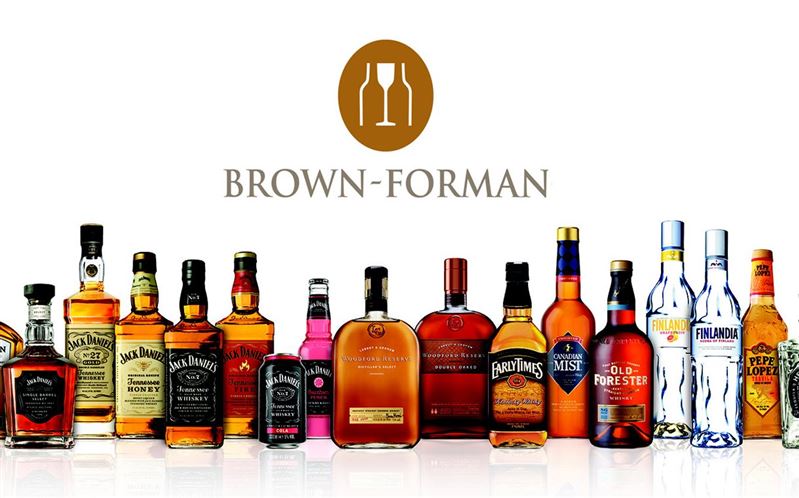
Brown-Forman (NYSE:BF-A) is a major American company in the spirits and wine business. It is one of the largest in the world and is well-known for its popular brands, especially Jack Daniel’s Tennessee Whiskey. The company operates in a competitive market, facing pressure from other global spirits producers.
Before the market opens on June 4, 2026, a report from BF-A shows an earnings per share (EPS) of $0.12. This figure falls short of the $0.32 that analysts expected. The quarterly EPS represents a 62% decrease. This drop in earnings indicates that the company’s profitability is lower than anticipated for the period.
Despite the lower earnings, the company’s revenue for the quarter is $912 million, which is higher than the estimated $878.14 million. As highlighted by Reuters, this sales beat is driven by consistent demand for its premium brands. This suggests that more affluent consumers continue to purchase its high-end products like Jack Daniel’s.
Looking at the full fiscal year, BF-A’s net sales decrease by 1% to $3.9 billion. The company’s operating income also declines by 10% to $1.0 billion. As highlighted by The Wall Street Journal, the company now anticipates flat sales for the next fiscal year, citing ongoing pressures in the spirits market.
From a financial health perspective, BF-A has a Debt-to-Equity ratio of 0.54, which measures its debt against the value owned by shareholders. Its Current Ratio is 3.24, showing a strong ability to cover its short-term debts. The company’s trailing Price-to-Earnings (P/E) ratio is approximately 14.86.