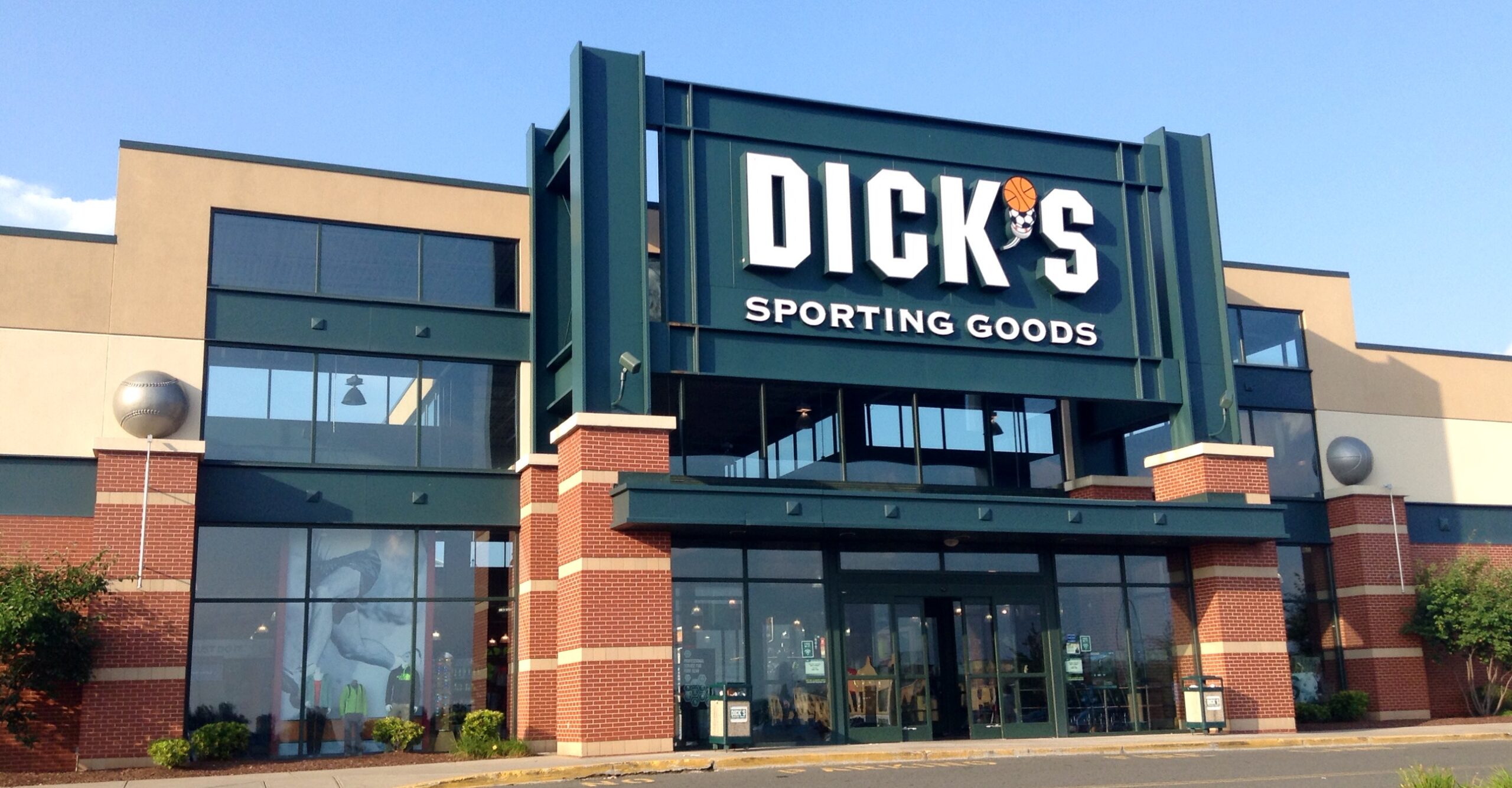
Dick’s Sporting Goods (NYSE: DKS) Faces Headwinds Amidst Foot Locker Acquisition and Earnings Miss
- Dick’s Sporting Goods (NYSE: DKS) expanded into the competitive sneaker market by acquiring Foot Locker, intensifying competition.
- Wells Fargo reiterated an “Overweight” rating but significantly lowered its price target for DKS to $185 from $240.
- DKS stock plunged over 27% after a “double miss” on earnings and lowered guidance, reporting adjusted earnings per share of $3.53 against a $3.76 estimate.
Dick’s Sporting Goods (NYSE: DKS) is a major American athletic equipment retailer that sells athletic equipment, apparel, and footwear. The company recently expanded its presence in the sneaker market by acquiring the Foot Locker chain. This strategic move places Dick’s Sporting Goods in more direct competition with other specialized footwear sellers.
On August 25, 2026, Wells Fargo reiterated its “Overweight” rating on DKS stock. An “Overweight” rating suggests an analyst believes the stock performance will outperform the overall market. However, the firm lowered its price target for Dick’s Sporting Goods to $185 from a previous target of $240.
This revised price target comes as the DKS stock price sits at $126.72, following a recent plunge of over 27%. As highlighted by a Schwab Network report, the significant drop is due to a “double miss” on earnings and lowered guidance. This indicates that Dick’s Sporting Goods failed to meet analyst expectations for both revenue and earnings.
Dick’s Sporting Goods’ profitability is currently under pressure from significant footwear discounts. The acquired Foot Locker unit experienced a 3.6% decline in comparable sales, which measures sales at stores open for at least a year. This contrasts with the 4.9% comparable sales growth in the core Dick’s Sporting Goods business.
Financially, DKS reported adjusted earnings per share of $3.53, falling below the $3.76 estimate. Its pretax margin, a key measure of profitability before taxes, was 7.9%, also missing forecasts. As highlighted by Proactive Investors, Executive chair Ed Stack notes the retail sector is “‘increasingly promotional'” as consumers become more cost-conscious.