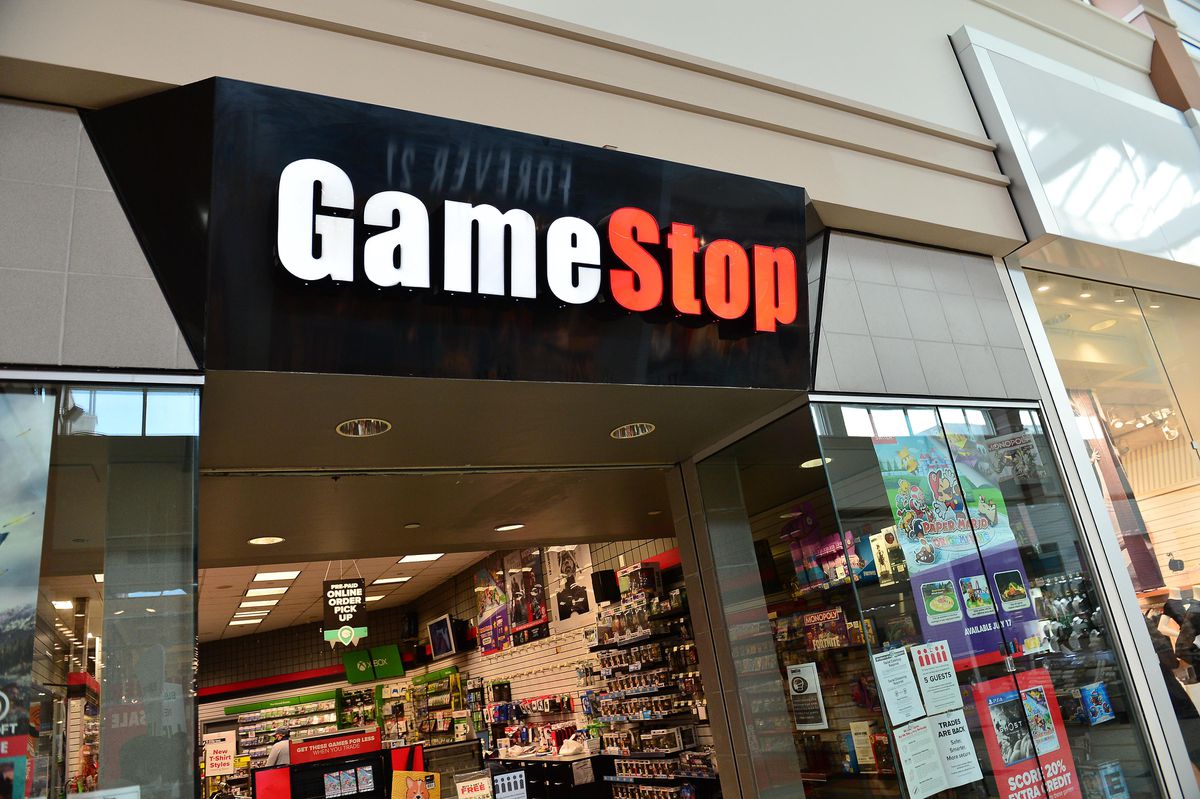
- GameStop (NYSE: GME) reported Q2 2026 revenue of $790.20 million, surpassing analyst estimates, though total revenue saw a year-over-year decrease.
- The Collectibles segment demonstrated significant growth, increasing 57% year-over-year to $356.30 million, while Video Games revenue declined.
- The company achieved a record second-quarter operating income of $160.20 million, with a debt-to-equity ratio of 0.71 indicating moderate financial leverage.
GameStop (NYSE: GME) is a leading gaming retailer specializing in video games, consumer electronics, and collectibles. The company operates through physical stores and an e-commerce platform, adapting to evolving market trends. On September 8, 2026, GameStop reported its financial results for the second quarter, providing an important update on its performance and strategic shifts within the competitive gaming industry.
The company announced an earnings per share of $0.27, which met analyst expectations. GameStop also posted quarterly revenue of $790.20 million. This figure surpassed the consensus estimate of $756.85 million, as highlighted by Benzinga, indicating stronger than anticipated sales performance for the period and positive momentum for the gaming retailer.
Despite the revenue beat, total revenue for GameStop saw a year-over-year decrease of nearly 19%. This decline is linked to a strong prior year, which included the Nintendo Switch 2 launch, as well as planned store closures and the sale of its operations in France, reflecting ongoing strategic adjustments.
GameStop now reports sales in new categories, showcasing its diversification efforts. The Collectibles segment showed strong growth, with sales increasing 57% year-over-year to $356.30 million. In contrast, Video Games revenue declined to just over $263.00 million. Despite this shift in segment performance, the company still achieved a record second-quarter operating income of $160.20 million, underscoring its profitability.
The company’s valuation metrics provide further investment insights, including a trailing price-to-earnings (P/E) ratio of 0.04 and a price-to-sales ratio of 3.08. GameStop’s debt-to-equity ratio is 0.71, which compares its total debt to shareholder equity to measure financial leverage. A lower ratio often indicates less financial risk, suggesting a relatively stable financial position for the company.