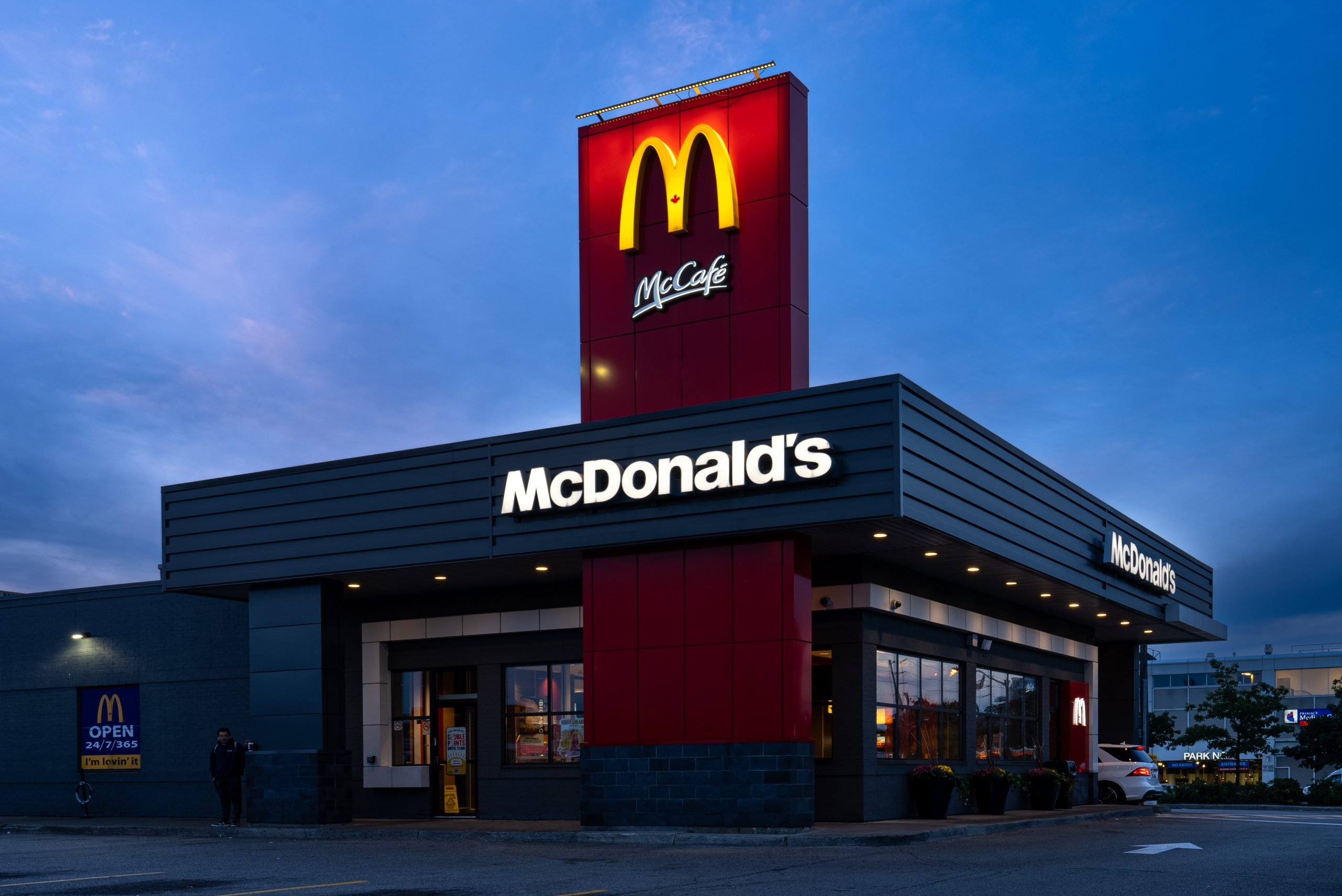
- Analyst firm Piper Sandler adjusted their price target for McDonald’s Corporation to $286.00, indicating a potential 6.98% upside despite a cautious outlook for the fast-food giant.
- McDonald’s reported a 4% revenue increase in its second quarter but fell short of analyst expectations, with U.S. comparable sales growth slowing to just 0.80%.
- Despite the sales deceleration, earnings per share (EPS) for McDonald’s climbed by 6%, primarily driven by share buybacks and tax benefits, though operating margins faced pressure from increased administrative costs.
McDonald’s Corporation (NYSE: MCD) is a global fast-food giant known for its iconic hamburgers and fries. This prominent restaurant chain operates and franchises establishments worldwide, navigating intense competition from other major players in the quick-service restaurant (QSR) industry like Burger King and Wendy’s. The company’s financial performance is frequently monitored as a key indicator of broader consumer spending habits, particularly among lower-income demographics, offering valuable economic insights.
On August 4, 2026, an analyst from Piper Sandler adjusted their price target for McDonald’s to $286.00. At the time of this revision, the stock was trading at $267.35. This new target suggests a potential upside of 6.98% from its price at that moment, indicating a more cautious but still positive investment outlook for the company’s stock performance.
This revised target follows McDonald’s mixed second-quarter results. While the company reported a 4% revenue increase, it missed analyst expectations. In the U.S., comparable sales, which compare sales from existing stores, grew by only 0.80%. This figure fell short of the estimated 1.06% growth and was a significant drop from 2.50% a year ago, highlighting challenges in sales growth.
CEO Chris Kempczinski pointed to “execution lapses” for the slowdown. As highlighted by Business Insider, the company’s new value menu contributed to the deceleration. A reduction in digital offers and weak promotions led to fewer visits from loyal customers, causing a decline in customer traffic and impacting overall sales performance across its restaurant network.
Despite the sales slowdown, earnings per share (EPS) rose by 6%. This growth was mainly from share buybacks, which reduce the number of shares and increase EPS, and lower taxes. However, the company’s operating margin, a key measure of profitability, decreased due to a 19% jump in administrative expenses from restructuring charges, impacting overall financial health.