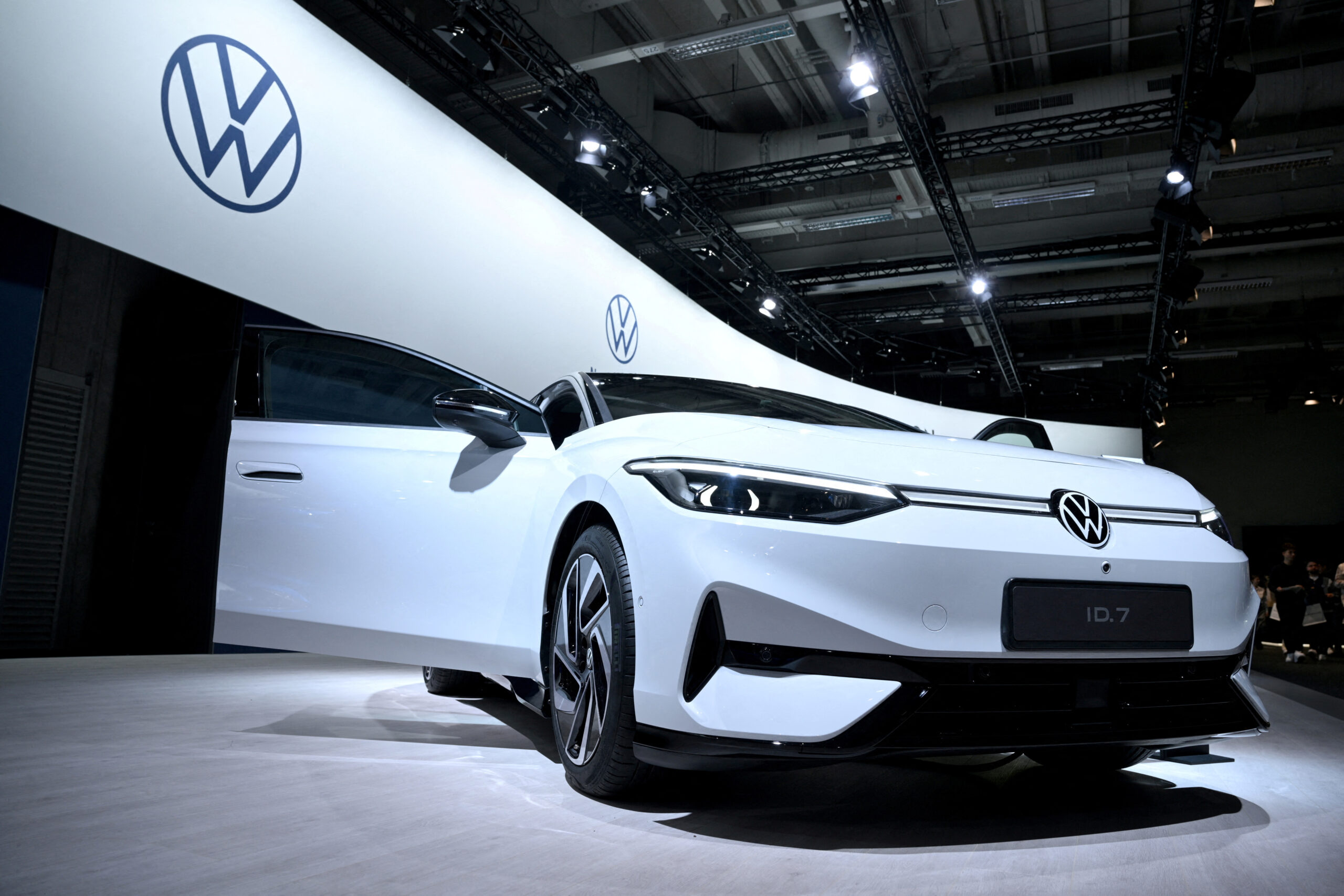
- Volkswagen AG (OTC:VWAGY)‘s Q2 earnings per share of $0.30 missed analyst estimates of $0.60, with operating profit falling nearly 10% to €3.5 billion due to market pressures.
- Despite the earnings miss, the German automaker’s revenue reached $93.75 billion, exceeding expectations of $92.92 billion, supported by strong cash generation and growing electric vehicle orders.
- In response to a challenging outlook, Volkswagen AG has lowered its full-year guidance and launched a significant restructuring effort to enhance competitiveness and lower costs.
Volkswagen AG (OTC:VWAGY) is a global German automaker known for its wide portfolio of vehicle brands. On July 24, 2026, Volkswagen AG announced its second-quarter earnings. The results were mixed, with the company reporting an earnings per share of $0.30, which missed the consensus analyst estimate of $0.60.
The lower-than-expected earnings reflect significant business pressures. Volkswagen AG posted an operating profit of €3.5 billion, a drop of nearly 10% from the previous year and below the €4.3 billion analysts had forecast. Management attributes this to declining demand in China, U.S. tariff costs, and intense competition from new market entrants.
In contrast to its earnings, Volkswagen AG’s revenue for the quarter came in at $93.75 billion, beating analyst expectations of $92.92 billion. This revenue strength is supported by stronger cash generation and an expanding order book for its electric vehicles in the European market, indicating some areas of operational resilience.
Due to the challenging outlook, Volkswagen AG has lowered its guidance for the year. As highlighted by The Wall Street Journal, the company cut its full-year sales forecast. In response, Volkswagen AG is accelerating one of the largest restructuring efforts in its history to lower costs and enhance its competitiveness.
From a valuation standpoint, Volkswagen AG has a Price-to-Earnings (P/E) ratio of 6.18. This ratio compares the company’s stock price to its earnings per share. The company’s Debt-to-Equity ratio is 1.66, which indicates it uses more debt than shareholder equity to finance its assets.